<!DOCTYPE html>
How Often Should You Service Your Furnace in Utah
How Often Should You Service Your Furnace in Utah
Utah winters press a heating system harder than most regions. Sandy sits along the Wasatch Mountains and sees fast drops in temperature, heavy snowfall, and frequent inversion events. Those conditions load up filters faster, change combustion behavior at altitude, and can stress safety controls. That is why homeowners in Sandy, UT need a clear, local answer to a simple question: how often should a furnace get maintenance, and what does that visit include?
For most homes in Sandy, the right cadence is an annual heating tune-up before the first major cold snap. Western Heating, Air & Plumbing recommends one professional visit every year for gas furnaces, electric furnaces, hybrid heat pumps, high-efficiency modulating furnaces, and propane furnaces. Annual service reduces breakdown risk during a lake-effect storm, prepares the system for sub-zero nights along the bench, and keeps utility costs predictable through the season.
The timing matters. In Sandy, late summer through early fall is best, while crews still have open scheduling and parts suppliers are well stocked. It also gives room to fix a worn igniter or a weak blower motor before the furnace cycles every hour. If a system is older than 12 to 15 years, or if it has a history of short cycling or burner soot, a semiannual check may be smart. Homes in neighborhoods with more construction dust, like parts of Crescent or new builds near White City, may also benefit from more frequent filter checks.
Why Sandy’s Climate Changes the Maintenance Plan
Altitude and air quality shape how a furnace runs. Sandy homes sit higher than the valley floor. At altitude, oxygen content is lower. Gas appliances compensate with adjusted fuel-to-air ratios. A gas valve and burner assembly need calibration that accounts for local conditions. Dirty burners or a misaligned draft inducer at 4,500 to 5,000 feet can lead to incomplete combustion, higher CO readings, and pilot light discoloration. That is why an annual heating system calibration is not a luxury here—it is part of safe operation.
Winter inversions trap particulates. Filters load faster. A clogged air filter looks routine, but it raises static pressure. That forces the blower motor to work harder, which can trip the limit switch and cause short cycling. That stop-start pattern is the fastest way to age a heat exchanger and to spike gas bills. A simple filter change schedule and a one-visit furnace cleaning reduce that strain.
Snow adds a practical concern. High-efficiency modulating furnaces often vent through sidewalls. If intake or exhaust terminations near Dimple Dell Regional Park or higher elevations in Pepperwood and Willow Creek become snow-packed, a pressure switch fault can shut down the system. A local tune-up checks for correct slope, termination height, and drain routing so condensate and meltwater do not freeze and stall the draft inducer.
The Right Service Frequency for Utah Homes
Here is a proven schedule for furnace maintenance in Sandy, UT. Most homes do best with a single annual tune-up every fall. Homes with high-efficiency systems, allergy concerns, or heavy use may schedule a mid-season performance check. Rental properties in 84070, 84092, 84093, or 84094 often match service to tenant turnover. Vacation homes benefit from a pre-season visit and a quick post-season check, because systems sit idle and seals can dry.
Two rules hold across all cases. Replace or wash filters more often during inversion periods. Do not put off a professional visit when the system shows warning signs like unusual rattling noises, delayed ignition, or rising utility costs. Those signals often tie to specific parts—such as a weak igniter or a fouled flame sensor—that a NATE-certified technician can address during a 30-point inspection.
What an Annual 30-Point Heating Tune-Up Includes
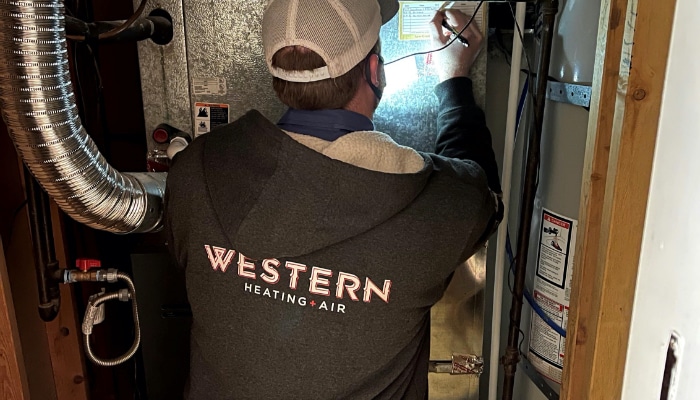
A tune-up is more than a quick look. Western Heating, Air & Plumbing performs a detailed safety inspection and precision tune-up on every visit. The team focuses on combustion safety, airflow, electrical integrity, and controls. The technician starts with carbon monoxide checks and a visual inspection of the heat exchanger for corrosion lines or hairline cracks. An inspection light and mirror help reach hidden cells in multi-pass exchangers. A cracked heat exchanger can allow CO to enter the supply air. That part is the heart of furnace safety, so it gets careful attention.
Combustion surfaces come next. The technician cleans the flame sensor to maintain a stable microamp signal and prevent nuisance lockouts. The igniter gets tested for resistance and microfractures. If it glows weakly or reads out of the target range, it gets replaced before a January cold front makes ignition failures common. Burners are brushed and vacuumed to remove soot buildup that causes lazy, yellowed flames. The burner assembly is re-seated to ensure even flame carryover.
Controls and safeties get verified. The limit switch is tested for proper cutout temperatures. The rollout switch is inspected around the burner vestibule. The gas valve is checked for leakdown and adjusted for correct manifold pressure for altitude. The draft inducer is tested for amperage and bearing noise, since a worn inducer can reduce draft and raise CO. The technician confirms correct pressure switch operation and inspects flue connections for rust or shifted joints.
Airflow and comfort steps round out the visit. The blower motor and wheel get evaluated for dust loading and balance. On variable-speed systems, the ECM motor settings are verified against the home’s duct static. The thermostat is calibrated and cycle timing is checked. Filters are replaced or cleaned. Return and supply temperatures are measured, and the temperature rise is compared to nameplate specs. If the rise is out of range, the technician looks for duct restrictions, clogged filters, or poorly set fan speeds.
For high-efficiency modulating furnaces, condensate traps and hoses are cleared, and the collector box is checked for blockage. Flame rectification is verified under low-fire and high-fire operation. For propane furnaces in outlying parts of 84094 and 84092, or for homes near Alta Canyon with larger storage tanks, the technician checks for consistent fuel pressure and proper orifice sizing. For electric furnaces, sequencers and elements are tested for balanced amp draw. For hybrid heat pumps, the defrost board and outdoor sensor are checked, and balance point settings are confirmed so the system does not overuse auxiliary heat during a cold snap.
Simple Homeowner Tasks Between Tune-Ups
A homeowner can support the system with a few safe tasks that keep airflow strong and controls steady. These do not replace a professional tune-up, but they help the furnace run cleaner during long Sandy winters.
- Check and replace the air filter every 30 to 60 days during inversion season.
- Swap thermostat batteries once a year to prevent erratic calls for heat.
- Keep return grilles and supply registers open and free of furniture.
- Clear snow around sidewall intake and exhaust pipes after storms.
Gas valve adjustments, heat exchanger inspections, limit switch tests, and burner cleaning should stay with a licensed professional. That is especially true for homes in Pepperwood, Crescent, and Willow Creek with high-efficiency systems that have more sensors and condensate parts.
How Furnace Maintenance Saves Money in Sandy
A clean, calibrated furnace uses less fuel. That is direct savings during a four-month heating season. After tune-ups that include burner cleaning, gas valve calibration, and a new filter, many homeowners see 5 to 15 percent lower gas consumption. On a cold January with sustained night temps below 20°F, that matters. Reducing short cycling by fixing airflow issues also cuts electrical use and extends blower motor life.
Repairs avoided are the bigger number. An igniter that fails during a storm near America First Field can cost far more than a planned replacement during fall maintenance. A cracked heat exchanger discovered in November allows time to quote repair or discuss replacement options without paying for emergency space heaters or hotel stays. A small vibration in the inducer caught early prevents a domino of issues that can take out the pressure switch and stress the control board.
Local Evidence: What Technicians See Across Sandy
In Historic Sandy, many homes still run mid-efficiency gas furnaces with metal flues. Western’s technicians often find soot lines on the draft hood that point to partial blockage. A quick cleaning of the burner assembly and a flue check move the system back into safe draft. In Pepperwood, where high-efficiency modulating furnaces are common, plugged condensate traps are a frequent culprit behind pressure switch faults. Clearing the trap and re-setting the hose routing fixes lockouts before a holiday weekend.
Near The Shops at South Town, small condos can show short cycling from closed doors and blocked returns. Reopening transfer grills and trimming back privacy door sweeps improves airflow and steadies the temperature rise. In Willow Creek, variable-speed blower motors often need updated profiles after duct or filter upgrades. Matching ECM programming to current static pressure brings quieter operation and more even heat.
Brands and Warranty-Safe Care
Western Heating, Air & Plumbing services Carrier, Trane, Lennox, Rheem, Goodman, and York equipment across Sandy and Salt Lake County. The team follows factory-authorized procedures and keeps warranties intact. High-end systems get special attention to controls and staging. Trane TruComfort modulation is verified for smooth low-fire operation. Carrier Infinity control boards are checked for update codes and correct outdoor temperature reads. Lennox Signature Collection systems are inspected for clean flame signals across all stages.
If a system is out of warranty and shows repeat issues like rattling noises at start-up or pilot light discoloration on older standing-pilot units, the technician documents readings and discusses repair versus replacement based on part availability, safety, and total seasonal cost.
Safety First: Carbon Monoxide, Draft, and Heat Exchangers
Carbon monoxide has no smell, so regular testing matters. Western’s NATE-certified technicians carry calibrated instruments to measure ambient CO and flue gas levels. They look for flame disturbance, condensation tracks, and discoloration that signal a compromised heat exchanger. If a crack is suspected, the system is made safe and options are presented without pressure. In many cases, early signs appear as nuisance flame sensing errors or rollout switch trips. Those get addressed at their root during the annual inspection.
Draft problems are common during heavy snow or wind along the Wasatch bench. The technician confirms proper slope on PVC venting, secure hangers, and sealed joints. On metal flues, a quick check for corrosion and loose connections helps prevent backdrafting. These steps keep combustion byproducts moving outside, where they belong.
Where Western Works in Sandy
Proximity helps during a cold snap. Technicians already working close to The Shops at South Town can respond fast to a no-heat call. That local footprint supports same-day visits for priority clients enrolled in a maintenance plan.
When to Schedule Your Tune-Up
Most Sandy homeowners book a furnace tune-up in late August through October. Slots fill fast after the first hard freeze. New installs need a first-year check even if everything seems perfect, because dust from construction can coat the flame sensor and load the filter early. If you have done a major renovation or added thick carpet, get a quick airflow check to confirm the blower motor settings still match the duct system.
- Late summer or early fall before regular heating use.
- After major renovations that add dust or change airflow.
- First year after new furnace installation to confirm settings at altitude.
- At tenant turnover for rental homes in 84092, 84093, and 84070.
If a system shows short cycling, unusual rattling noises, or rising gas bills during the season, schedule a diagnostic visit instead of waiting. That prevents small issues from growing into failure during a storm.
What Homeowners Ask Most
How often should a furnace get serviced in Utah? Once a year covers most homes in Sandy. High-efficiency or allergy-focused homes may add a mid-season check. Electric furnaces benefit from the same cadence because airflow and controls need regular verification.
What does Western check during a tune-up? A NATE-certified technician performs a 30-point safety inspection that covers the heat exchanger, flame sensor, igniter, blower motor, thermostat, burner assembly, draft inducer, limit switch, gas valve, thermocouple where applicable, and all filters. Combustion and airflow readings document performance before and after cleaning and calibration.
Will maintenance keep a warranty valid? Yes, for brands such as Trane, Carrier, and Lennox, proof of regular maintenance is part of warranty language. Western follows manufacturer procedures and records readings for your file.
Can maintenance lower bills? Yes. A clean burner assembly, calibrated gas valve, and proper airflow often cut fuel use by 5 to 15 percent. That increase in efficiency is common in homes near Willow Creek and Pepperwood where systems cycle often to handle open floor plans.
The Western Savings Club and Priority Service
Many Sandy homeowners prefer automated scheduling and locked-in savings. The Western Savings Club offers annual maintenance reminders, a discounted tune-up rate, priority call handling during cold snaps, and repair discounts. The plan helps households in 84094 and 84092 get their tune-ups done before the first storm drops snow along the Wasatch. It also keeps detailed service history, which supports resale value and warranty needs.
Western Heating, Air & Plumbing is family-owned and operated since 1995, BBB A+ rated, licensed and insured in Utah, and staffed by NATE-certified technicians. That mix of local experience and technical training is why many neighbors across Historic Sandy and Crescent call before winter hits.
Real-World Fixes Technicians See Every Week
Short cycling in White City after a new, extra-thick filter install. The technician measured static, stepped the ECM blower up one tap, and returned the temperature rise to nameplate range. Soot buildup on a mid-efficiency unit near Alta View Hospital. Cleaning the burners and adjusting the gas valve cut flue CO to safe levels and steadied ignition. Repeated inducer noise in a Pepperwood home. The aging draft inducer bearings were failing. Replacement before Christmas prevented a no-heat call during a holiday trip.
These are common, preventable issues uncovered during annual maintenance. They take less time and cost less to handle in October than in January.
Choosing a Maintenance Partner You Can Trust
A proper tune-up in Sandy is not a quick filter swap. It covers safety, combustion, airflow, and controls with readings that match Utah’s altitude. Western’s technicians carry parts for common brands like Rheem, Goodman, and York. For specialty systems like Trane TruComfort and Carrier Infinity, they follow brand-specific diagnostics and preserve your warranty. Every visit ends with clear notes, a list of options if any issues remain, and honest advice on service life for key parts such as the heat exchanger, blower motor, and igniter.
Scheduling is simple. Crews stage near The Shops at South Town and America First Field for fast access to 84070 and 84093. Service trucks also cover Crescent, Silver Sage, Alta Canyon, and Willow Creek daily. That local presence reduces wait times during storms.
Does DIY Ever Make Sense?
Homeowners should handle filters, thermostat batteries, register clearance, and light visual checks for snow-blocked vents. Anything involving gas, combustion, or internal safeties should be left to a licensed contractor. Adjusting a gas valve without the right tools and altitude tables can create unsafe CO levels. Opening a heat exchanger incorrectly can ruin a gasket seal. Western’s team brings the instrumentation and training to perform those steps safely.
Targeted Answers for Different Furnace Types
Gas furnaces remain the most common in Sandy. Annual service should include burner cleaning, flame sensor care, igniter testing, and heat exchanger inspection. Electric furnaces need airflow checks, element and sequencer testing, and limit verification, because they run long cycles during cold spells. Hybrid heat pumps need thermostat and defrost board checks, refrigerant performance validation, and correct balance point programming so auxiliary heat does not run longer than needed. High-efficiency modulating furnaces need condensate management, venting checks, and staging calibration to keep low-fire operation stable. Propane furnaces need orifice and pressure verification due to fuel differences and storage tank conditions during cold snaps.
Clear Signals That Mean “Do Not Wait”
Some symptoms call for immediate service. Carbon monoxide alarms, odor of gas, or visible flames outside the burner area require an instant shutoff and a call. Repeated limit trips or short cycling suggest airflow or control problems that can snowball into heat exchanger damage. Pilot light discoloration on older systems, delayed ignition pops, or unusual rattling noises all point to burner or blower issues. A technician can solve these with a mix of cleaning, calibration, and targeted parts replacement.
Local SEO Note for Homeowners Searching Fast
Many searches start with simple terms like furnace maintenance Sandy UT, annual heating tune-up near me, or 30-point HVAC inspection 84092. Western Heating, Air & Plumbing built its Sandy routes to reach neighborhoods quickly and to deliver consistent results. That means a warm home when inversion hits and steady comfort during storms that pile snow up near Dimple Dell Regional Park.
Get Scheduled Before the First Freeze
A short annual visit makes a big difference in Sandy’s climate. Book a 30-point safety inspection and precision tune-up with Western Heating, Air & Plumbing. Ask about the Western Savings Club for automated reminders, priority repair status, and member pricing. The team is family-owned since 1995, NATE-certified, BBB A+ rated, and ready to serve homes across Sandy’s 84070, 84090, 84091, 84092, 84093, and 84094 zip codes—plus Draper, Midvale, Cottonwood Heights, South Jordan, and Riverton.
Call today or schedule online. Secure a spot before the first hard freeze to keep the system safe, efficient, and ready for a long Utah winter.
Western Heating, Air & Plumbing provides HVAC and plumbing services for homeowners and businesses across Sandy and the surrounding Utah communities. Since 1995, our team has handled heating and cooling installation, repair, and upkeep, along with ductwork, water heaters, drains, and general plumbing needs. We offer dependable service, honest guidance, and emergency support when problems can’t wait. As a family-operated company, we work to keep your space comfortable, safe, and running smoothly—backed by thousands of positive reviews from satisfied customers.
Western Heating, Air & Plumbing
9192 S 300 W
Sandy,
UT
84070,
USA
231 E 400 S Unit 104C
Salt Lake City,
UT
84111,
USA
Phone: (385) 233-9556
Website: https://westernheatingair.com/, Furnace Services
Social Media:
Instagram |
Facebook |
BBB
Map: View on Google Maps